2024


Sex is considered to have a single evolutionary origin and to be present in the last common ancestor of eukaryotes. In most vertebrates, sex is regulated by sex chromosomes which typically originate from autosomes independently by acquiring sex-determining gene(s). The diversity and variability of sex chromosomes are largely caused by frequent sex chromosome turnover, wherein the ancestral sex chromosomes are replaced by a new set.
It is difficult to ascertain the early evolutionary trajectory of sex chromosomes in most studied mammals and birds, given that the origins of their sex chromosomes occurred over 100 million years ago. Therefore, non-model animals, particularly fish species with more recently formed sex chromosomes, represent an ideal system for elucidating the early evolution of sex chromosomes.
In a recent study published in Molecular Biology and Evolution, a research group led by Prof. GUI Jianfang from the Institute of Hydrobiology (IHB) of the Chinese Academy of Sciences elucidated the dynamic evolution of sex chromosomes in Silurus species, providing a typical case of early sex chromosome evolution in vertebrates.
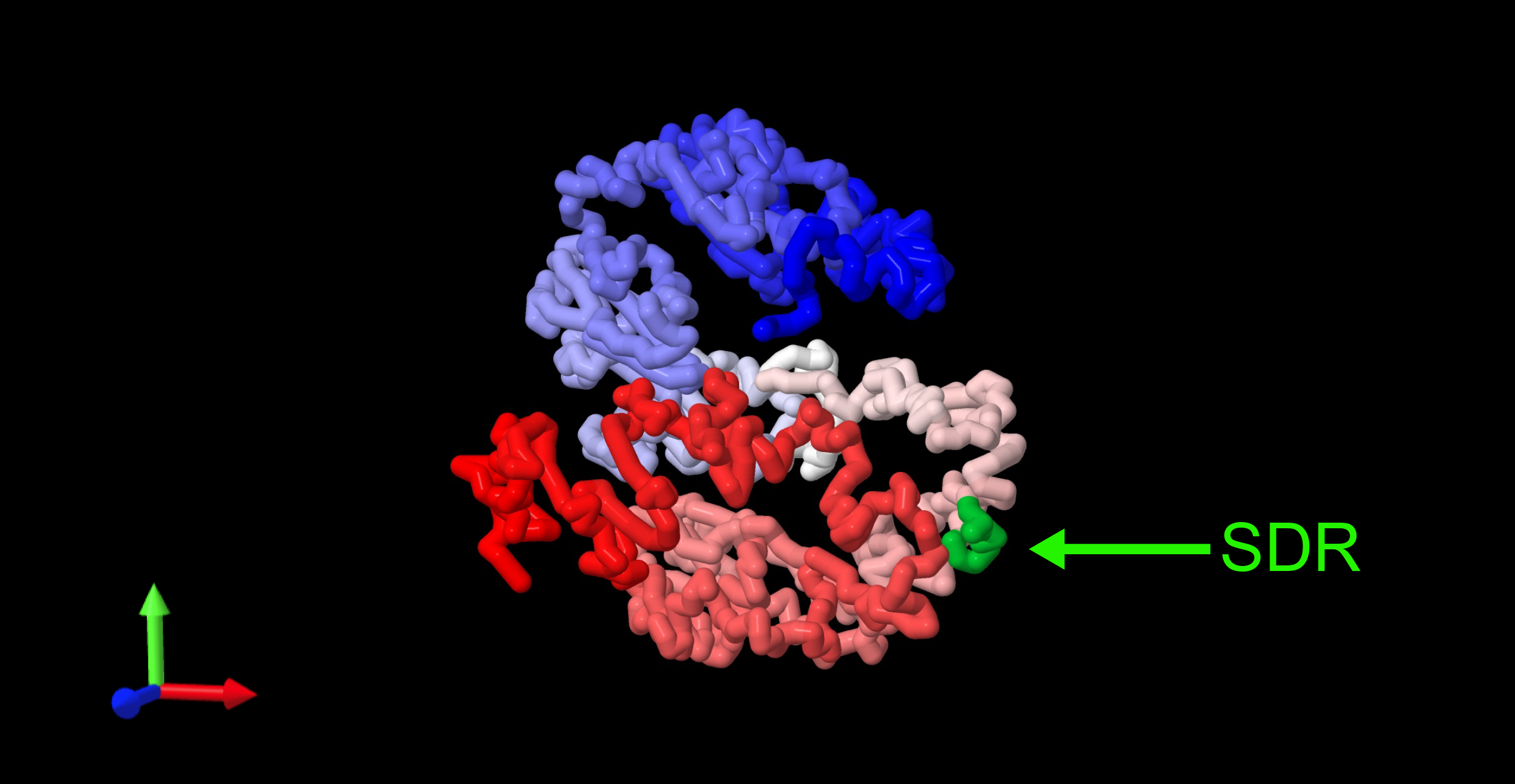
Researchers precisely assembled the genomes of homozygous XX female and YY male Lanzhou catfish (Silurus lanzhouensis). Using resequencing data, they identified chromosome 24 (Chr24) as the sex chromosome of Silurus lanzhouensis.
Besides, they found a potential sex-determining gene (amhr2y) in male-specific region of the Y chromosome (MSY). Deficiency of amhr2y resulted in male-to-female sex reversal, indicating that amhr2y plays a male-determining role in Silurus lanzhouensis.
Researchers further performed phylogenetic analysis and comparative genomics across three Silurus species (Silurus lanzhouensis, Silurus meridionalis, and Silurus asotus).
The results showed that the common sex-determining gene amhr2y was initially translocated to Chr24 of the Silurus ancestor, along with the expansion of transposable elements. Chr24 remained the sex chromosome in Silurus meridionalis and Silurus lanzhouensis, whereas a sex-determining region transition triggered sex chromosome turnover from Chr24 to Chr5 in Silurus asotus.
In addition, gene duplication, translocation, and degeneration were observed in the Y-specific regions of Silurus species.
This study presents a clear case of the early evolutionary trajectory of sex chromosomes, including sex-determining gene origin, repeat sequence expansion, gene gathering and degeneration in sex-determining region, and sex chromosome turnover.