2022


In contrast to mammals and birds, more than 99% of teleost fish, which are still in the early stage of evolution, have homomorphic sex chromosomes with poor differentiation and extraordinary sexual plasticity. The prevailing models of sex-chromosome origin and evolution are mainly based on the heteromorphic sex chromosomes. As it is very difficult to accurately distinguish and assemble homomorphic X and Y chromosomes, the evolutionary mechanism of sex chromosomes on how to drive the establishment of recombination inhibition in the "young" sex chromosome is still unclear.
Recently, a research team led by Prof. GUI Jianfang from the Institute of Hydrobiology (IHB) of the Chinese Academy of Sciences and Prof. MEI Jie from Huazhong Agricultural University elucidated the origin and evolutionary mechanism of young sex chromosomes and the chromatin remodeling in the catfish with sexual plasticity. The findings were published in National Science Review.
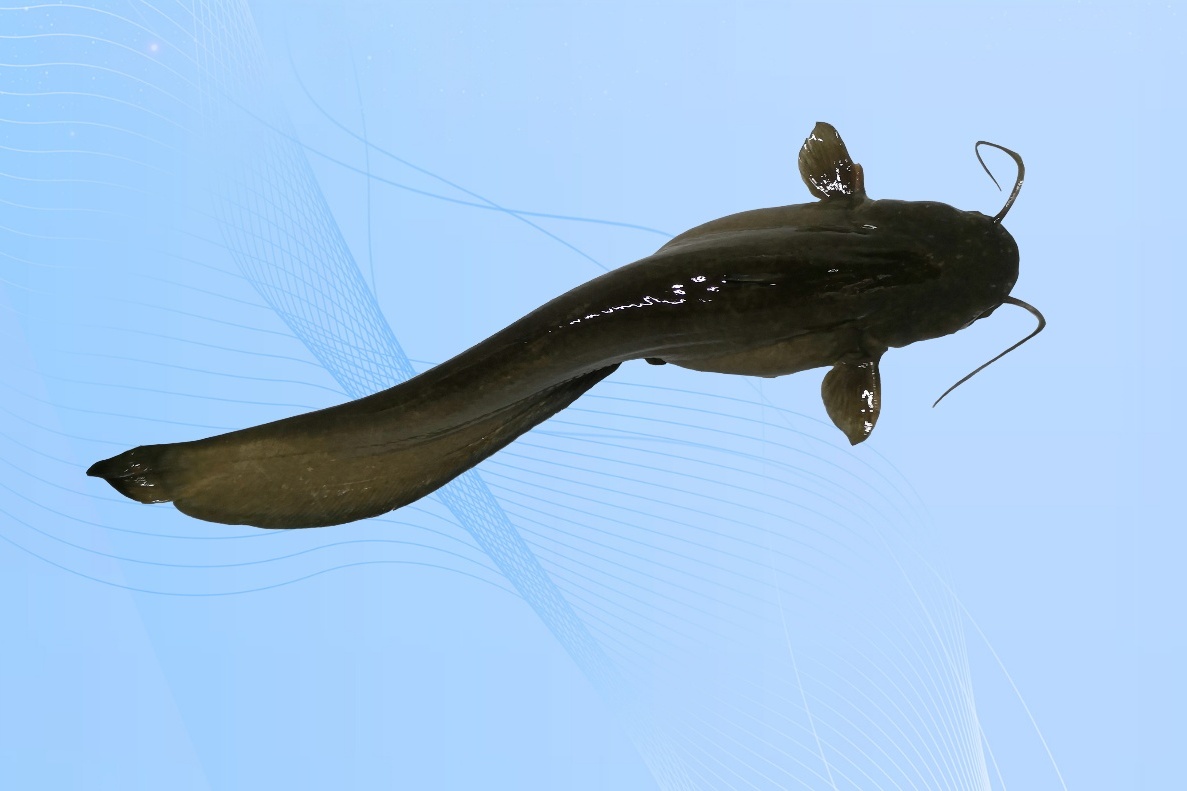
In this study, the researchers assembled highly homomorphic Y and X chromosomes by sequencing genomes of the YY supermale and XX female in yellow catfish (Pelteobagrus fulvidraco), and identified the sex-determining region (SDR) locating within a physical distance of 0.3 Mb by FST scanning. It was found that X and Y chromosomes displayed less than 1% nucleotide divergences and had the same gene compositions, with only minor accumulation of indels and some repetitive elements. No clear evidence of evolutionary strata and classical structure features of recombination suppression for a rather late stage of Y chromosome evolution was observed, suggesting that the sex chromosomes of yellow catfish were still in the early stage of evolution.
Besides, different sex chromosomes in southern catfish, channel catfish, red-tail catfish and yellow catfish suggested that sex chromosome turnovers might occur frequently among them, which might be a plausible explanation for the prevalent homomorphic sex chromosomes in Siluriformes. Strikingly, the incipient sex chromosomes were revealed to originate via autosome-autosome fusion and were characterized by a highly rearranged region (HRR) with an SDR downstream of the fusion site.
Moreover, genome-wide chromatin interaction frequencies were inferred by performing Hi-C experiments in gonad cells of XX females, XX neo-males and YY supermales. The X chromosome displayed a more compact structure relative to looser structures of the Y chromosome. The 3D chromatin organization of the sex chromosomes as well as the nucleus spatial organization of XX neomales were remodeled after sex reversal and like those in YY supermales. A loop-like structure containing the SDR was observed in Y chromosome but not in X chromosome, which might regulate the male-biased expression of candidate sex-determining genes in yellow catfish.
This study provides insight into the origin and recombination inhibition formation of the young sex chromosomes, as well as the sex plasticity of fish driven by the sex chromatin remodeling. It also provides a new clue for establishing the technology of fish sex reversal and sex control breeding based on 3D structure remodeling of fish sex chromosomes.