Newsroom


Bamboos are one of the few monocot species that grow to a tall stature and play a vital role in tropical ecosystems. However, their water regulation strategies remain poorly understood.
In a study published in Physiologia Plantarum, researchers from Xishuangbanna Tropical Botanical Garden (XTBG) of the Chinese Academy of Sciences revealed how specialized cells in bamboo leaves trigger curling to minimize water loss and regulate water potential during dry conditions.
Researchers studied nine coexisting bamboo species in the XTBG bamboo garden. They measured their daily and seasonal variations in water potential, and examined the contributions of soil water uptake, leaf water storage, and leaf structural traits to their ability to maintain hydration.
The results showed that bamboos primarily absorbed water from soil within 32 cm of the surface and exhibited low saturated moisture content and short-to-moderate leaf desiccation times. The leaf’s ability to retain water was the strongest predictor of its midday water status in the dry season. Species that lost water more slowly maintained a healthier, less negative water potential.
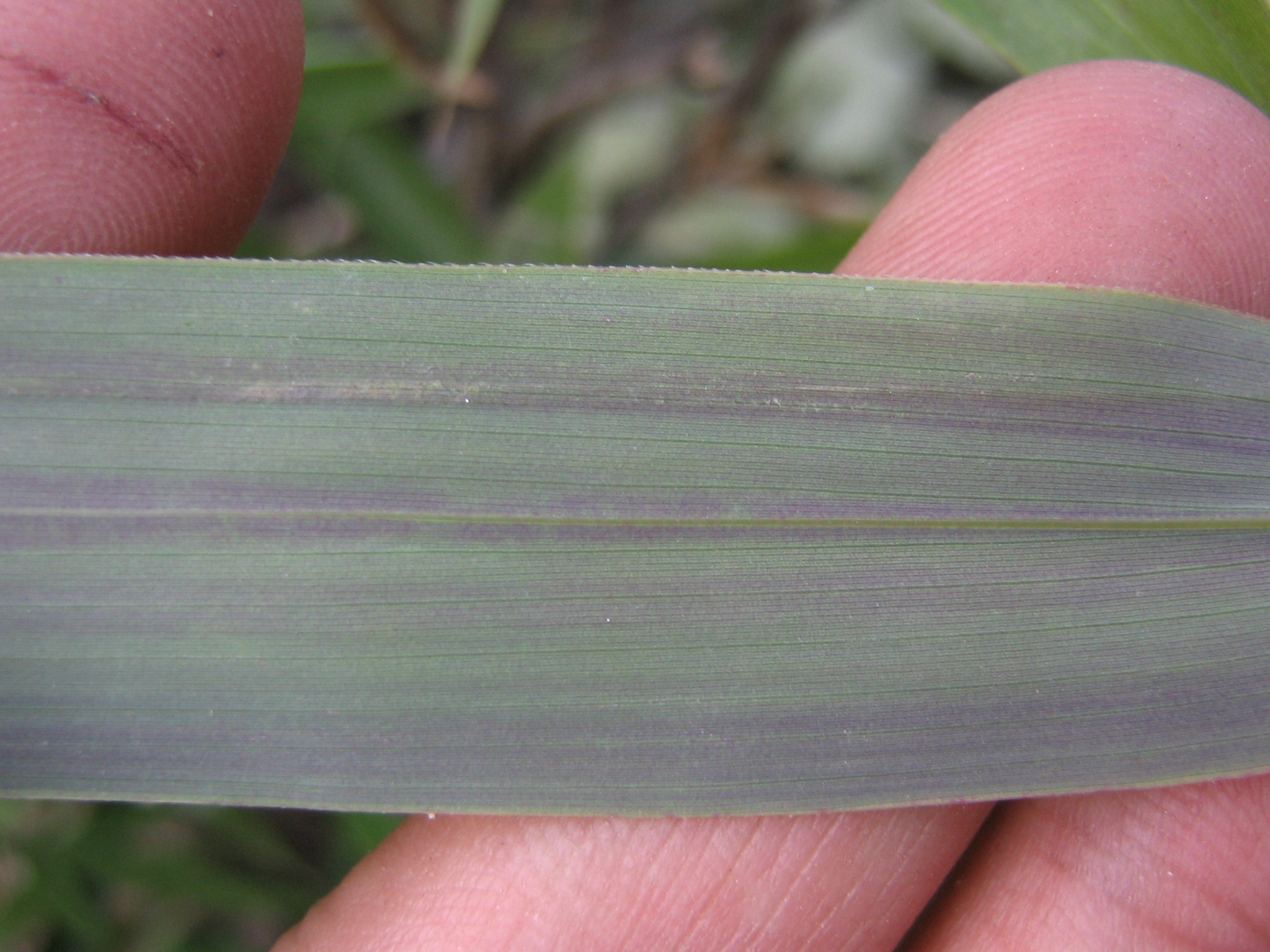
Moreover, researchers found that bulliform cells (large, thin-walled cells on the upper leaf surface) were key in the water regulation of bamboo species, and they drove two complementary water regulation mechanisms. A higher density of bulliform cells allowed leaves to curl more rapidly in response to water deficit, helping conserve water overnight and resulting in higher predawn water potential.
In addition, factors such as soil water-uptake depth, stomatal structure, and plant height were found to have no significant impact on midday water potential, underscoring the unique importance of leaf curling.
"Our study demonstrates that the synergy between bulliform cell structure and leaf curling plays a dominant role in bamboo water conservation, enabling diverse species to thrive in the challenging conditions of seasonal tropical forests," said CHEN Yajun from XTBG.
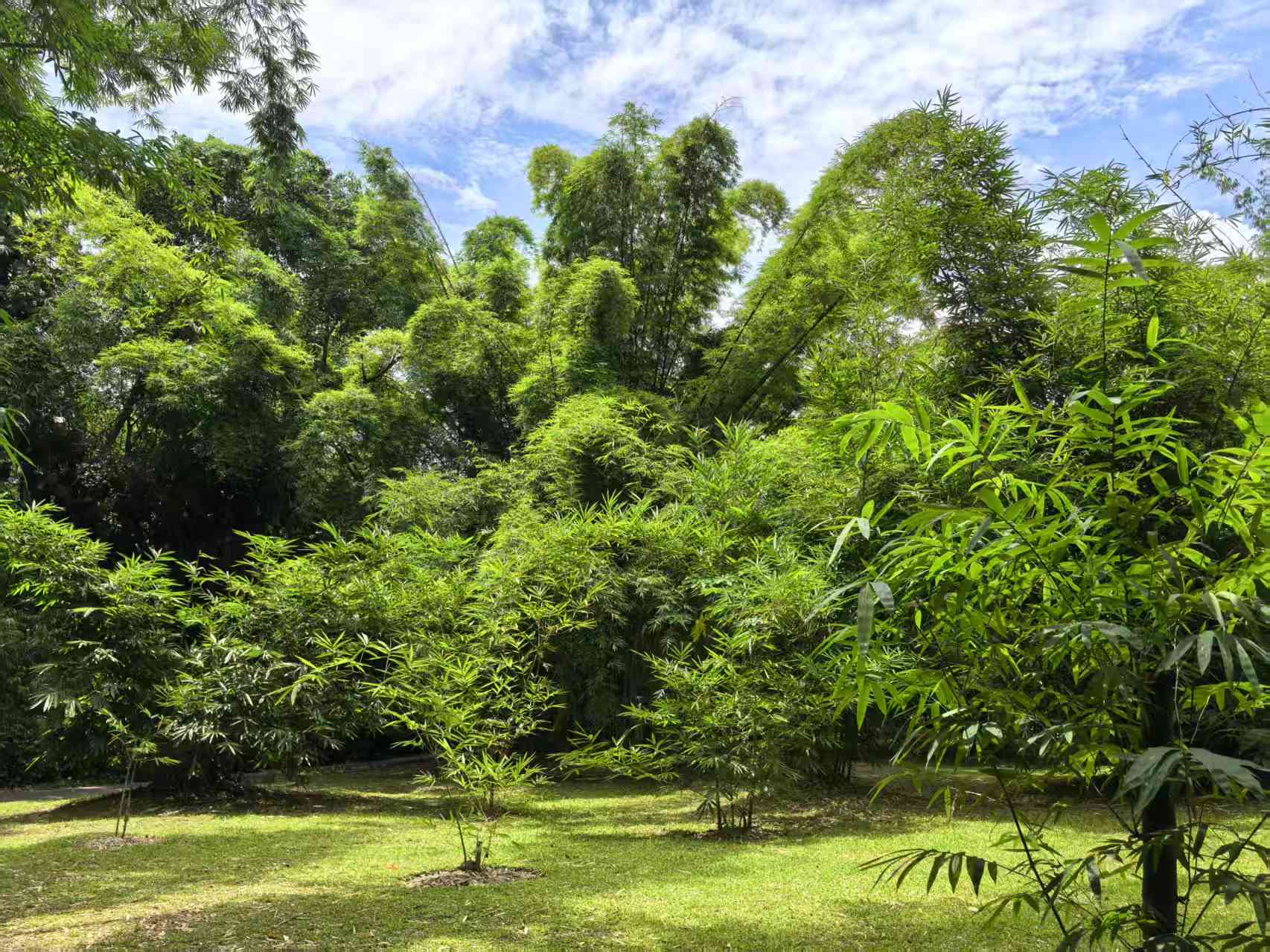
Bamboo garden of XTBG. (Image by WANG Li)