Newsroom


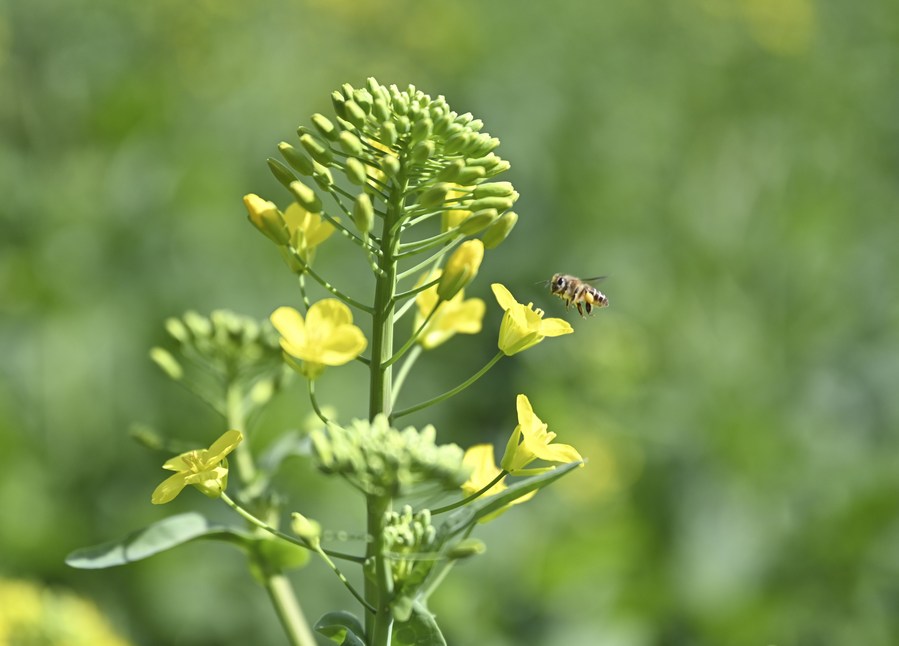
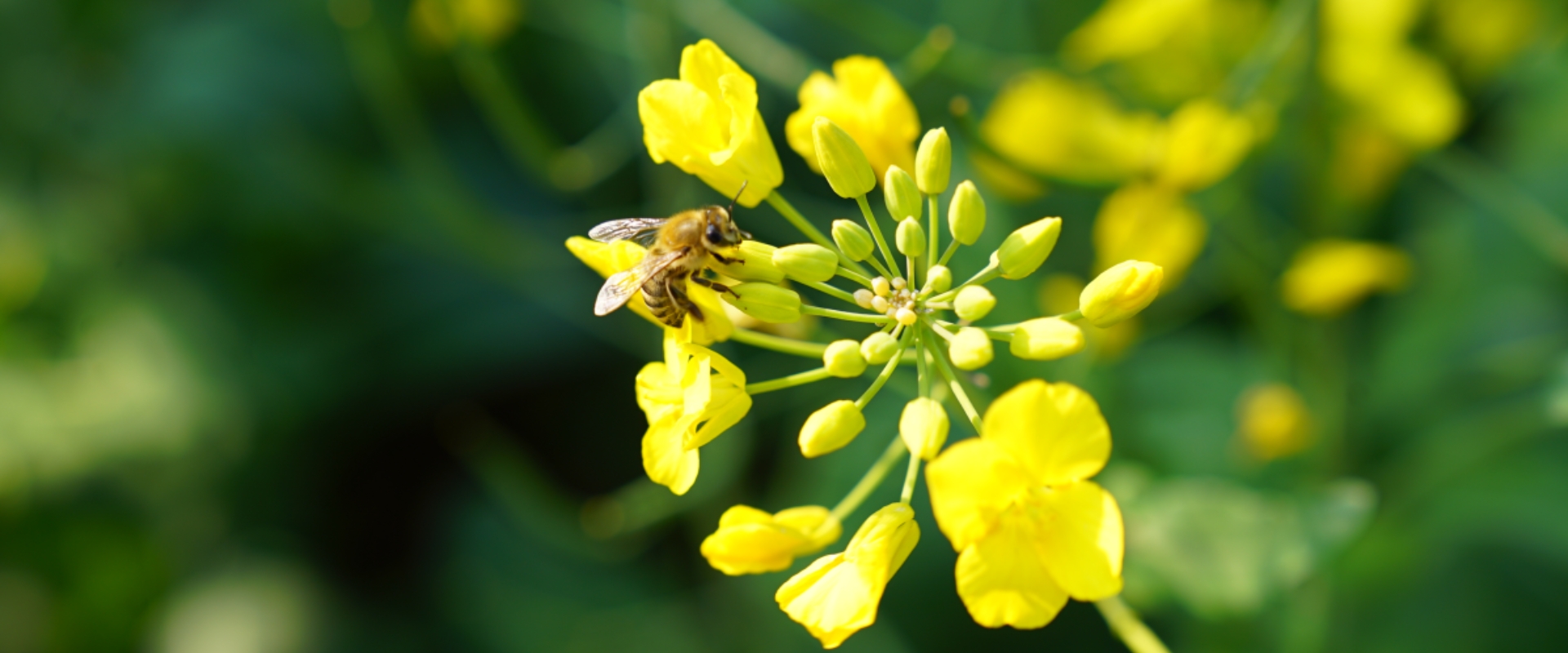
A study published in Entomologia Generalis and led by researchers from the Xishuangbanna Tropical Botanical Garden (XTBG) of the Chinese Academy of Sciences and the University of California, San Diego, revealed how prolonged artificial light exposure disrupts physiology and cognitive functions of honey bees (Apis mellifera).
Researchers evaluated the effects of bright, continuous artificial light relative to a 14:10-hour light/dark cycle (LD) on olfactory learning and memory after seven days of exposure. They further measured biogenic amine levels focusing on brain norepinephrine (NE), and tested whether increasing NE levels under normal LD conditions would compromise olfactory learning.
Sustained artificial light disrupted the circadian rhythms, causing bees to sleep less, exhibit heightened agitation, and prefer darker areas. NE, a stress-related neurotransmitter linked to cognitive functions, remained persistently elevated in bees under continuous light, mirroring chronic stress responses.
Furthermore, bees exposed to constant light showed marked deficits in olfactory learning and memory which are essential for foraging and colony communication. Artificially increasing NE levels in bees under normal light-dark cycles replicated the adverse effects, confirming NE’s central role in light-induced stress.
Moreover, mortality rates rose sharply under prolonged light exposure. Similarly, feeding bees sucrose solutions containing NE under normal light/dark cycles reduced survival, linking NE regulation and light-induced stress.
The study was the first to demonstrate that NE participates in stress responses and cognitive deficits in bees. The findings suggested that even low-intensity light can trigger physiological stress and impair key behaviors, highlighting the need to identify thresholds of exposure and potential interventions.
"If light pollution disrupts a bee’s memory, it doesn’t just harm the individual, it weakens the entire colony’s resilience. Protecting natural light cycles may be as vital as preserving their habitats,” said Prof. TAN Ken from XTBG.