Newsroom


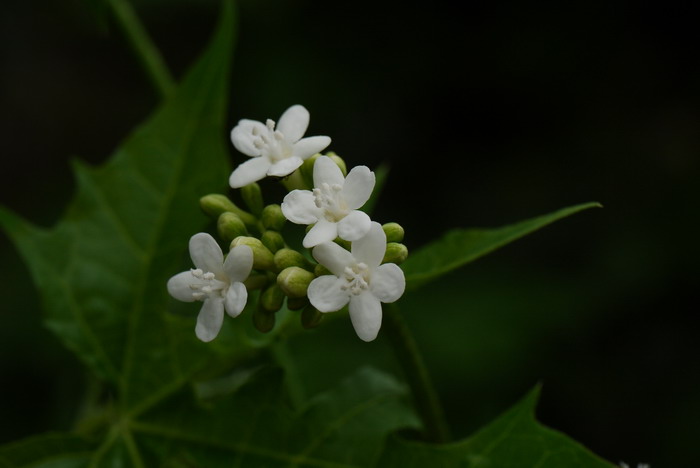
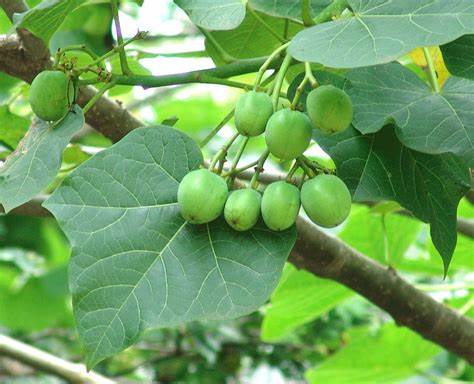
Jatropha curcas (J. curcas), commonly known as the physic nut, is a perennial woody plant. It is widely recognized as one of the most promising feedstock crops for biodiesel production as its seeds have high oil content. It also serves as a model species for studying perennial plant biology. However, its genetic improvement has been hindered by a reliance on tissue culture-based transformation, which is often slow, expensive, technically demanding, and prone to contamination.
In a study published in Industrial Crops and Products, researchers from the Xishuangbanna Tropical Botanical Garden (XTBG) of the Chinese Academy of Sciences established an efficient genetic transformation system for J. curcas, bypassing the need for complex and time-consuming tissue culture techniques. The system uses the plant’s cambium (a layer of actively dividing cells) as the primary receptor for gene delivery, enabling in situ generation of transgenic roots and shoots.
Using the visual RUBY reporter gene, researchers developed three innovative methods: cutting-induced hypocotyl rooting system (CHR), girdling-induced branch rooting system (GBR), and cutting-induced hypocotyl budding system (CHB).
Among them, the GBR method proved particularly efficient. It achieved a maximum transformation rate of 54.18% and produced an average of 9.80 transgenic roots per explant. Notably, it reduced the root initiation time to just 15 days, significantly outperforming the CHR approach.
Besides, researchers accomplished the first-ever direct regeneration of transgenic shoots from the hypocotyl cambium of J. curcas without intermediate tissue culture steps through the CHB protocol, achieving the transformation in approximately 45 days.
In addition, researchers revealed that seedlings were more responsive to root transformation, and the bacterial lawn inoculation method outperformed the traditional suspension method.
"Our study represents a leap forward for functional genomics and molecular breeding in woody plants. It will accelerate the development of improved, high-yielding J. curcas varieties with superior agronomic traits, enhancing its potential as a sustainable bioenergy source,” said TANG Mingyong from XTBG, one corresponding author of this study.