2024


Artificial light at night (ALAN) has become a widespread environmental concern, particularly in urban areas. ALAN disrupts the natural light-dark cycles that many organisms rely on for their circadian rhythms, impacting various behavioural and physiological processes of these organisms. However, the specific effects of different wavelengths of ALAN, especially in aquatic ecosystems, and its long-term multigenerational impacts remain unclear.
Zebrafish (Danio rerio) are valuable models for studying these effects because of their well-documented behavioural responses and relevance to environmental research. Recently, a research group led by Prof. DUAN Ming from the Institute of Hydrobiology (IHB) of the Chinese Academy of Sciences investigated the behavioural and transgenerational impacts of ALAN on zebrafish. They found that light pollution, particularly from blue-spectrum light, could alter fish behaviour after only a few nights of exposure, with these changes being passed on to the next generation.
These findings, shedding light on the broader ecological risks posed by ALAN, were published in Science of The Total Environment.
The negative effects of blue-spectrum ALAN have been well-documented in humans, prompting the researchers to explore whether fish might experience similar impacts. They exposed female zebrafish to ten lighting conditions: nine wavelengths from the visible spectrum and white light. These lights were calibrated to 20 lux, a brightness level comparable to streetlights seen from a distance, simulating the conditions animals might encounter in outdoor environments.
After eight nights of exposure to all the wavelengths, the zebrafish had noticeable behavioural changes, including reduced swimming activity, tighter shoaling, and increased time spent near the tank walls—a behaviour known as "thigmotaxis" linked to anxiety. Notably, the effects of blue light appeared much sooner, with behavioural changes occurring after just five nights of exposure. Among the different wavelengths tested, the 470 nm wavelength had the most significant impact on the zebrafish.
Although the study did not aim to uncover the underlying mechanism, the researchers suggested that cumulative sleep deprivation might explain the delayed onset of behavioural changes. The observation that behavioural disruptions became noticeable after five or eight nights of exposure, rather than immediately, indicated that the fish were gradually affected by the lack of sleep.
Moreover, the researchers found that the effects of light pollution extended beyond the zebrafish directly exposed to it, also affecting their offspring. The researchers exposed female zebrafish to ALAN and then bred them. The resulting larvae were raised under natural light conditions. Fifteen days later, the researchers tested the swimming behavior of the larvae using automated tracking software. Remarkably, the offspring of the ALAN-exposed mothers showed reduced movement during the day, despite never having been exposed to ALAN themselves.
"Light pollution has significantly changed the natural behavior of the fish, which could affect their fitness and performance," said Prof. DUAN.
This study highlights the behavioural disruptions caused by short-wavelength ALAN and the long-lasting effects observed in subsequent generations. It emphasizes the need to consider both immediate and transgenerational impacts when evaluating the ecological consequences of ALAN exposure.
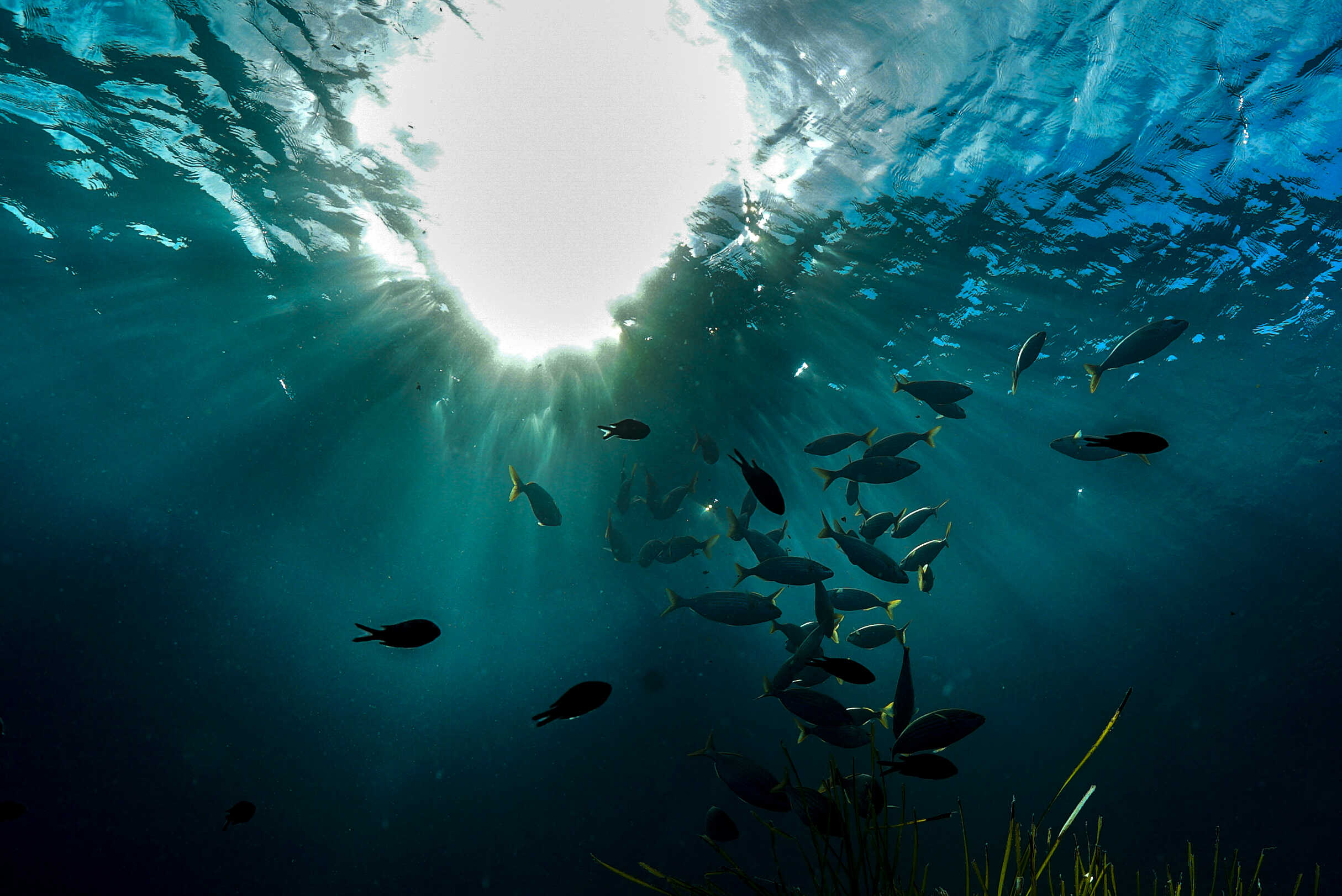
Shoreline habitats that are most affected by artificial light at night are vitally important to many aquatic species (Image by Alex Jordan)