2023


Epiphytes are a distinct group in the Earth's carbon cycling ecosystems. Most vascular epiphytes are from the particularly species-rich orchid family (Orchidaceae), with about 70% of Orchidaceae species being epiphytes. Crassulacean Acid Metabolism (CAM) is a water-conserving carbon dioxide (CO2) fixation pathway, and Epiphytes with CAM photosynthesis are widespread in vascular plants. By using a temporally separated carbon-concentrating mechanism, a CAM plant is able to photosynthesize during the day and exchange gases at night to minimize water loss. However, the understanding of the molecular regulation of CAM photosynthesis in epiphytes remains elusive.
Researchers from the Kunming Institute of Botany (KIB) of the Chinese Academy of Sciences (CAS) have assembled a high-quality genome of the epiphytic CAM orchid, Cymbidium mannii, integrating transcriptome, proteome and metabolome analysis to reveal the multifaceted regulation mechanism in CAM epiphytes.
Results have been published on Plant Communications entitled "High-qualityCymbidium manniigenome and multifaceted regulation of crassulacean acid metabolism in epiphytes."
According to the researchers, the genome of C. mannii is 2.88 Gb in length with a contig N50 of 22.7 Mb, of which 82.8% were repetitive elements. The genome size expansion in Cymbidium is mainly due to the long terminal repeats insertions, and the insertion time is consistent with the time of the diversification of Cymbidium species.
They found that the patterns of rhythmically oscillating metabolites, especially CAM-related products, reflect the circadian rhythmicity of metabolite accumulation in epiphytes.
Genome-wide analysis of transcript and protein level regulation revealed phase shifts in the multifaceted regulation of circadian metabolism. The researchers show the diurnal expression of several core CAM genes (in particular βCA and PPC), which could temporally fix carbon sources.
The gene expression levels of NADP-ME and PPDK in C. mannii were highly consistent with those in Kalanchoe fedtschenkoi and Sedum album, showing that they all prefer to use the nicotinamide adenine dinucleotide phosphate malic enzyme (NADP-ME) and pyruvate orthophosphate dikinase (PPDK) pathways for decarboxylation.
Since the circadian clock-associated genes and cis-regulatory elements (CREs) play a crucial role in regulating the CAM pathway, the researchers examined the expression pattern of the circadian clock and CAM genes during the diel cycle and found the light-responsive CREs in promoter regions that may be involved in photoperiodism.
This study was supported by the Strategic Priority Research Program of CAS, the Project for Innovation Team of Yunnan Province, and the Science and Technology Basic Resources Investigation Program of China.
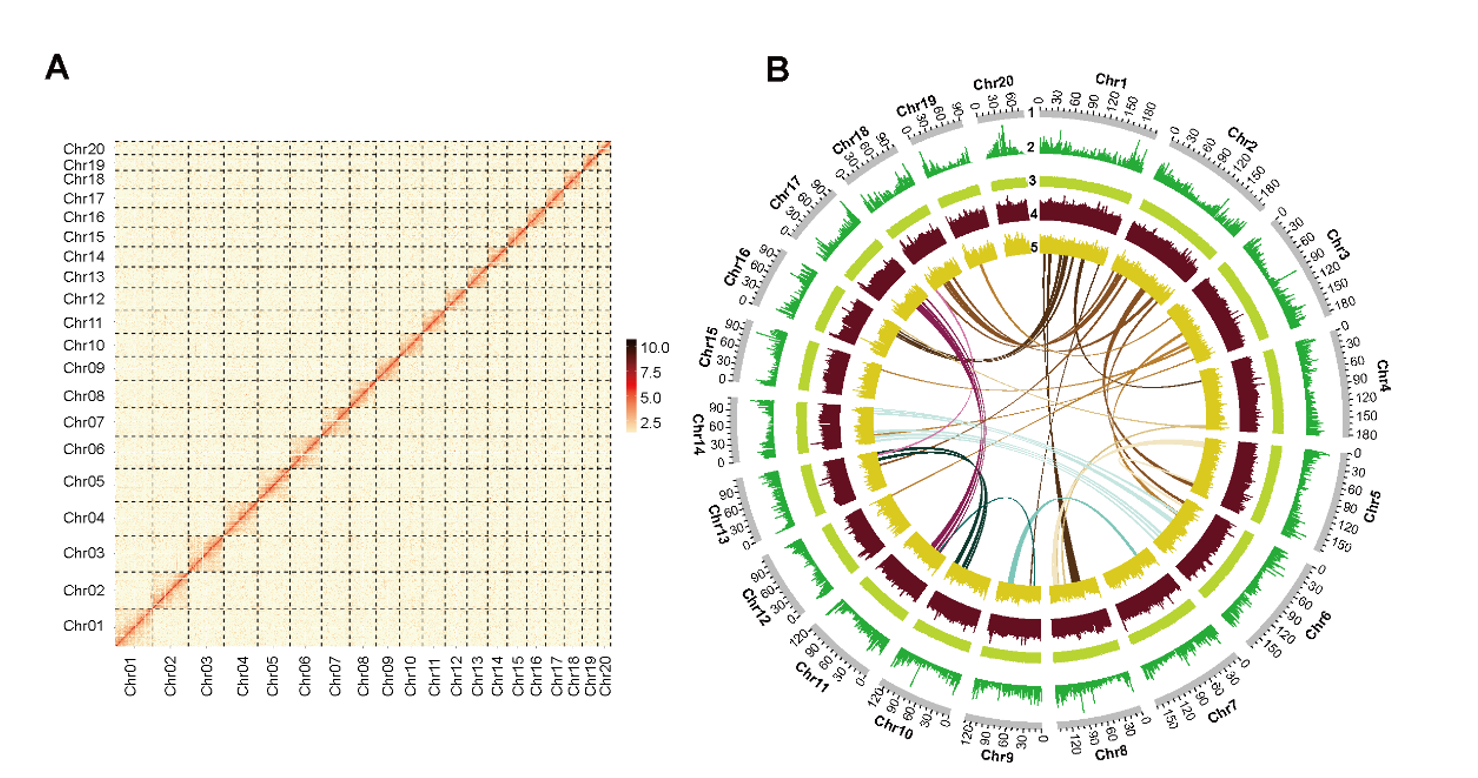
Figure 1. Chromosomal-level genomic features of C. mannii. (Image by KIB)
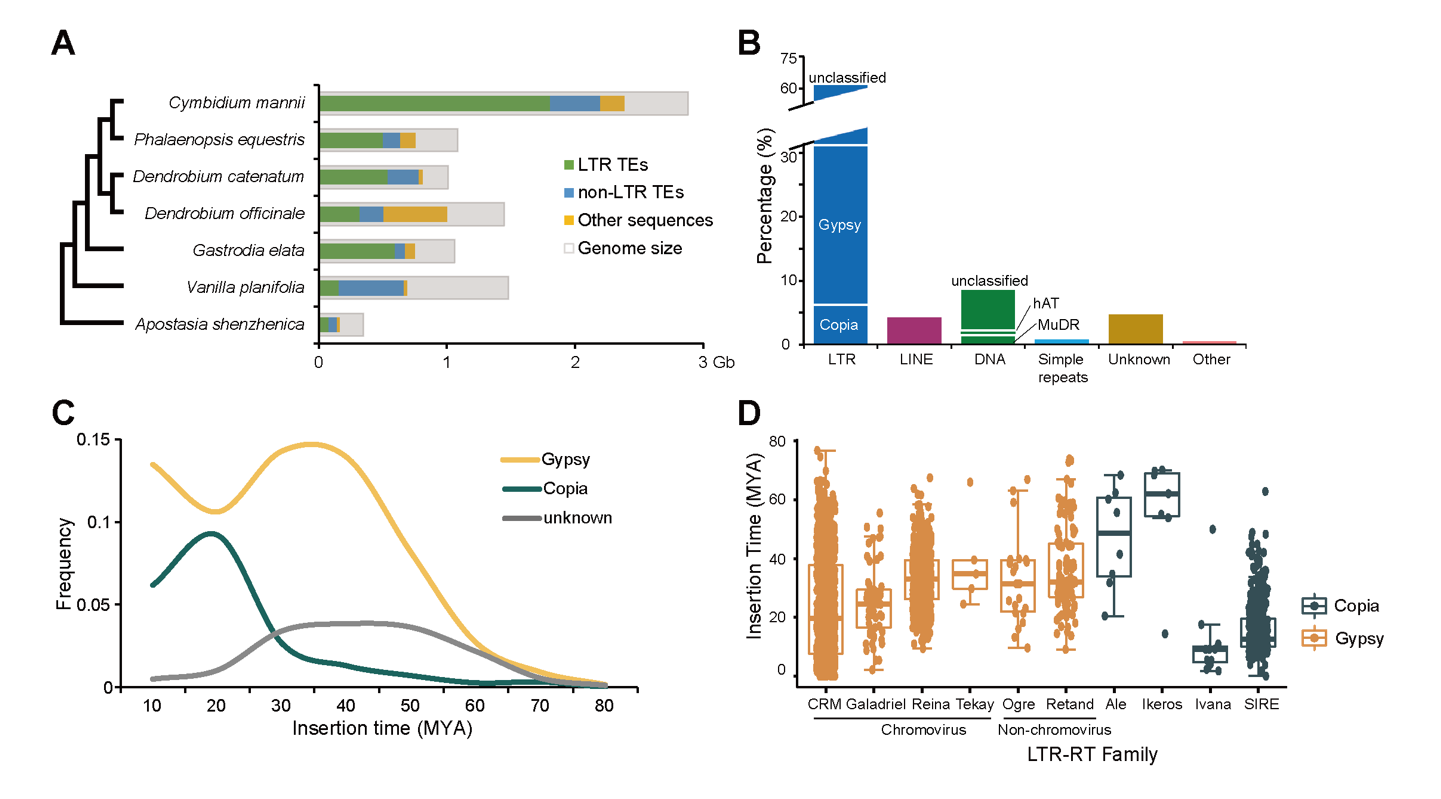
Figure 2. TE-mediated genome size expansion. (Image by KIB)
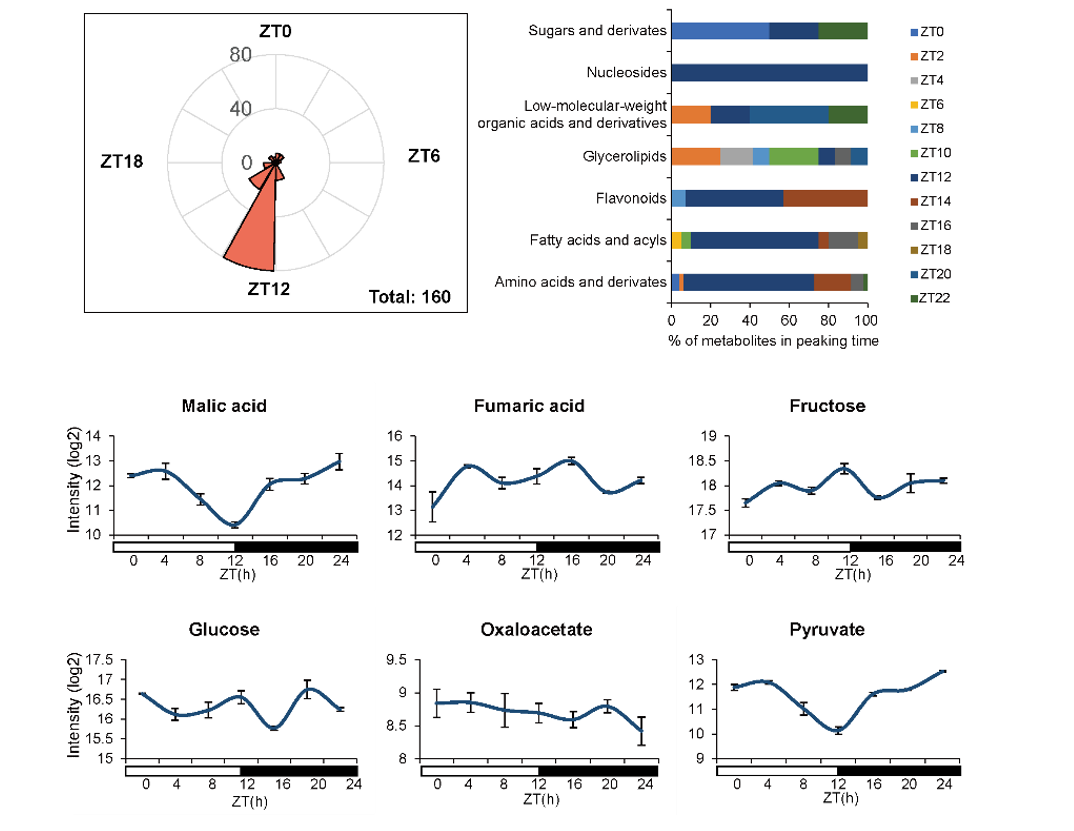
Figure 3. Rhythmic and selected CAM photosynthesis-related metabolites in C. mannii. (Image by KIB)
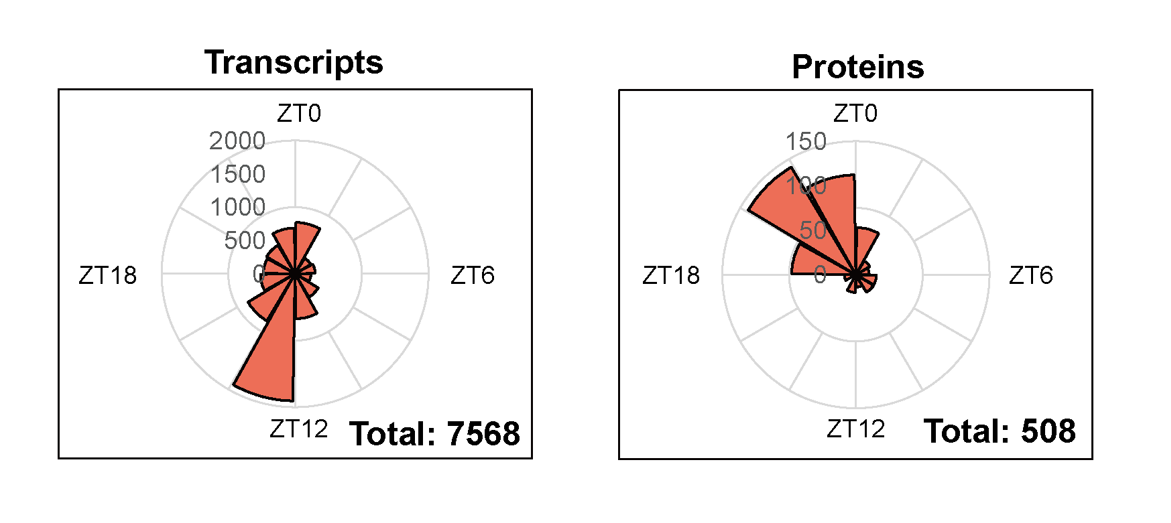
Figure 4. Phase shift between proteomic and expression profiles. (Image by KIB)
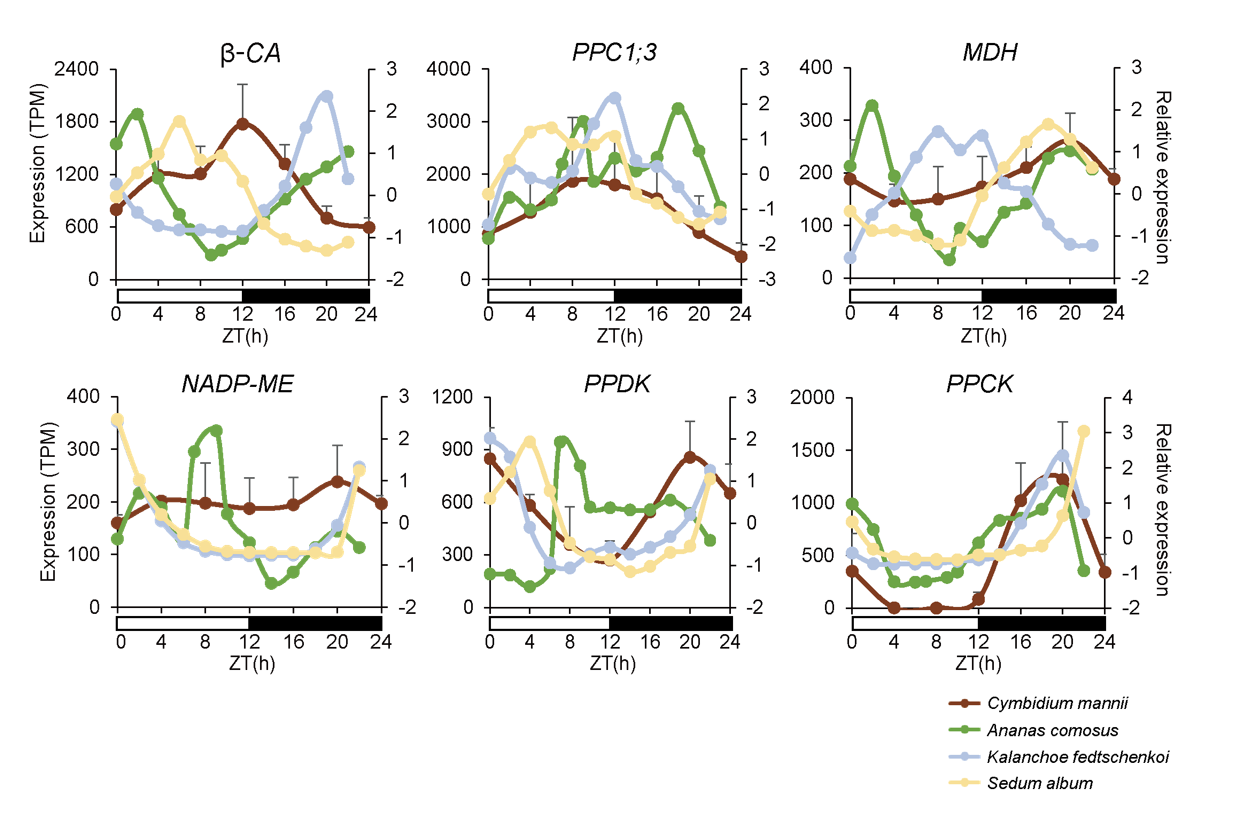
Figure 5. Selected cycling core CAM gene expression in C. mannii and compared with terrestrial CAM plants. (Image by KIB)
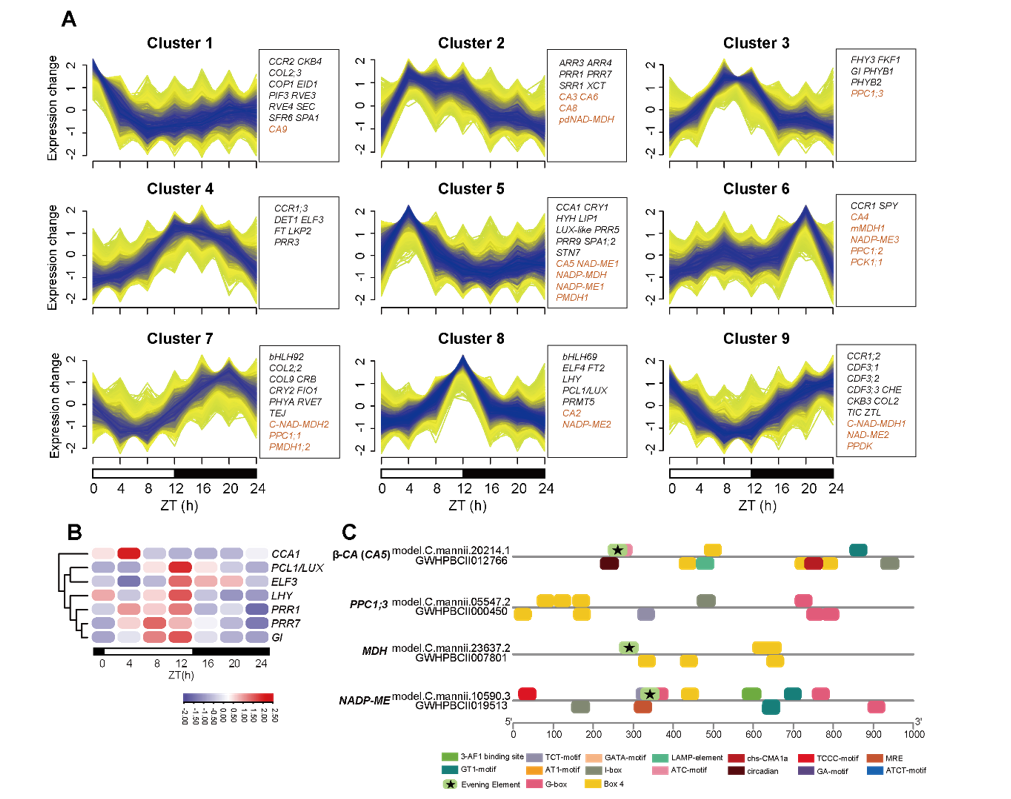
Figure 6. Core circadian clock gene expression level and CREs in selected CAM genes. (Image by KIB)