
China and "Belt and Road" Countries Team Up to Tackle Climate Change
The Institute of Atmospheric Physics (IAP) of the Chinese Academy of Sciences collaborated with partner institutions from Thailand, Kazakhstan, Tajikistan, Sri Lanka and other Belt and Road countries from 2016-2020 to better understand and predict climate change impacts along the route.
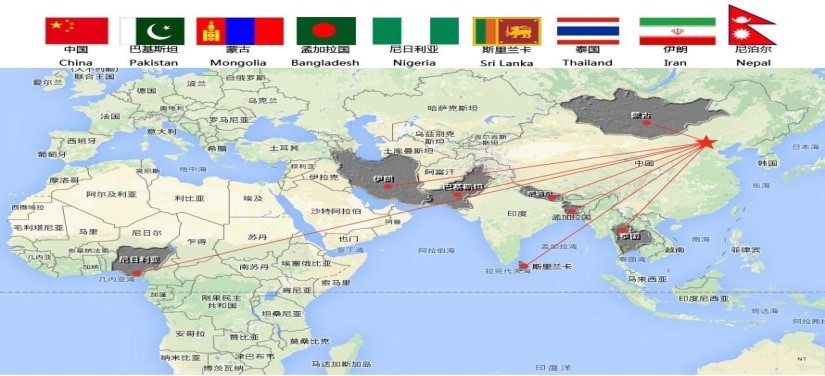
Cooperation between China and eight "Belt and Road" countries
The project, supported by the CAS International Partnership Program, aims to build an international climate change research network and develop datasets to support risk assessment and adaptation strategies.
"Climate change is a common challenge facing China and the Belt and Road countries," said project leader Dr. ZHU Jiang. "By working together, we can fill gaps in data and research to provide science-based solutions."
Key achievements include:
- Established a climate research network involving more than 10 countries. This facilitated data sharing and knowledge exchange.
- Collected and integrated ground, satellite, and reanalysis data to build a climate-environment dataset of more than 20 years covering 65 Belt and Road countries. This supported studies that revealed links between regional climate variations.
- Developed seasonal prediction models for summer heat waves in Central Asia and Thailand to support early warning systems.
- Analyzed drought and flood risks in key economic corridors in South and Central Asia based on long-term tree-ring and runoff data.
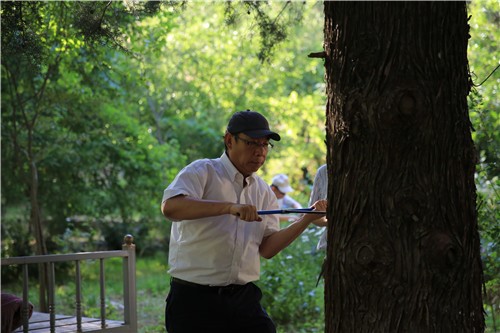
Tree-ring drilling in Tajikistan
"Through this cooperation, Tajikistan's basic research capacity, including experimental equipment, data processing, and model forecasting, has been strengthened and improved through the use of new techniques, approaches, and models from training and academic exchanges." Commented Majid Gulayozov, Executive Director of the Research Center for Ecology and Environment of Central Asia in Tajikistan.
Dr. S. M. Junaid Zaidi, the Executive Director of the Commission on Science and Technology for Sustainable Development in the South, said: "IAP is playing a catalytic role in helping and building a network of the scientific community of climate and sustainable development."
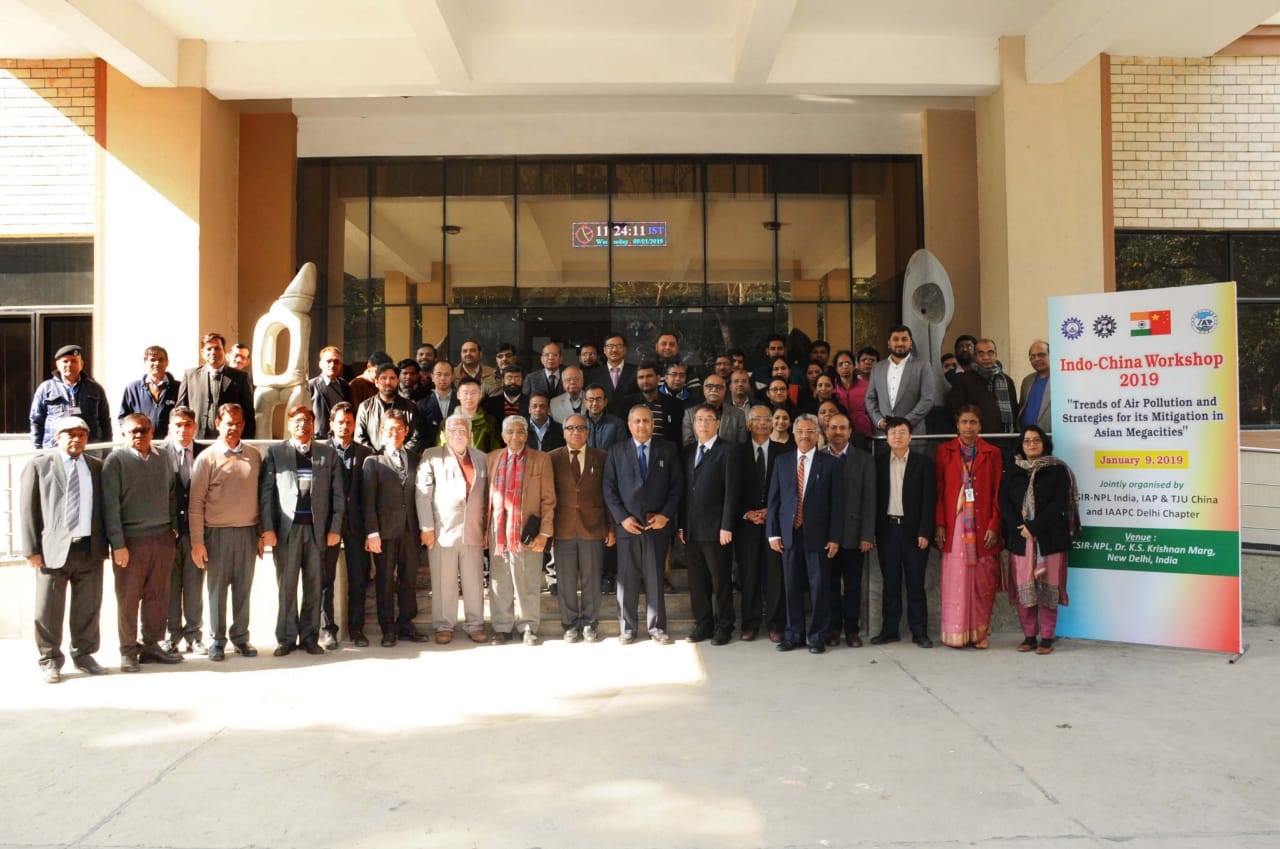
Indo-China workshop on atmospheric pollution in Delhi, India
Through workshops and student exchanges, the project also cultivated a new generation of scientists to continue climate studies along the Belt and Road. Partners expressed interest in building on this cooperation to take on new challenges posed by climate change.
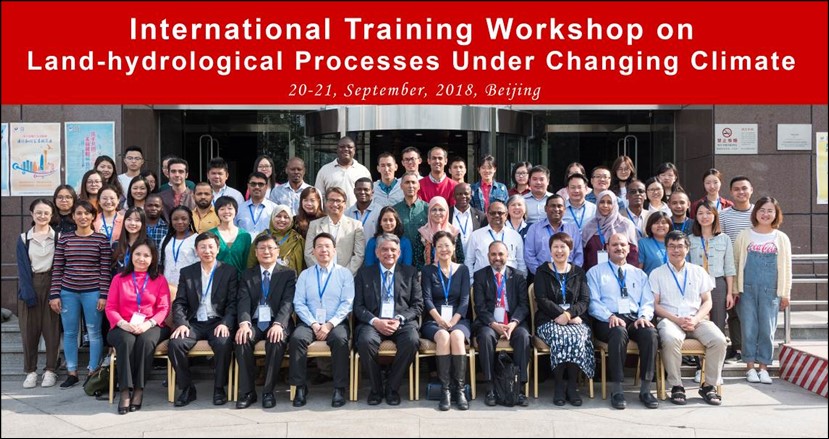
Training workshop in Beijing, China

