SEABRI Contributes to Improve Myanmar's Capacity Building of Plant Identification
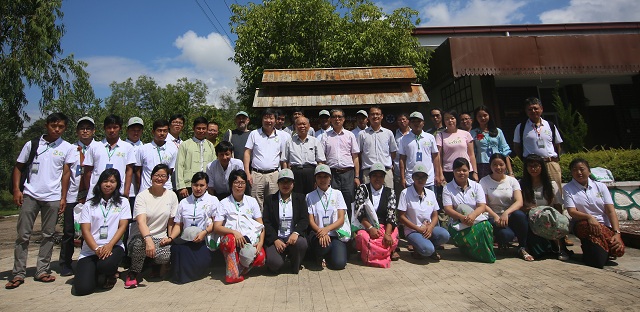
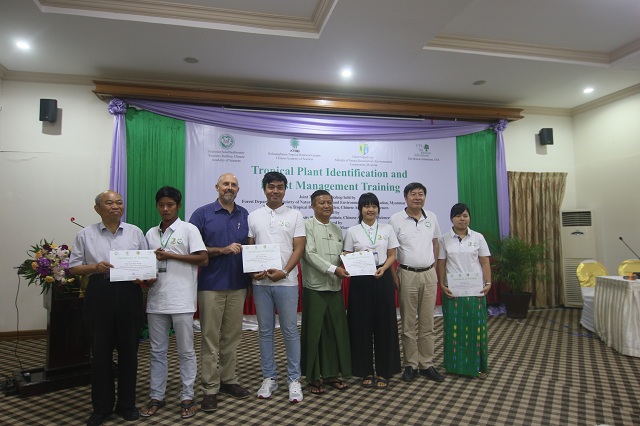
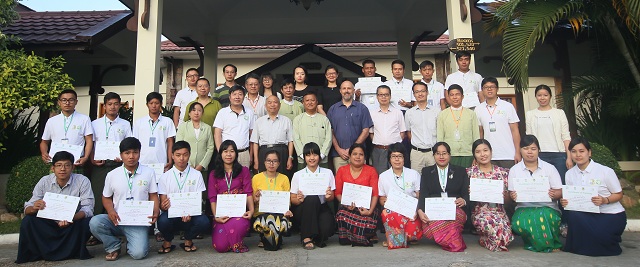
21 young Myanmar plant scientists or forest workers received certificates from Prof. CHEN Jin in Naypyitaw on October 21, marking the successful completion of the Tropical Plant Identification and Forest Management Training jointly sponsored by the Xishuangbanna Tropical Botanical Garden (XTBG) of the Chinese Academy of Sciences (CAS) and the Forest Department of Myanmar.
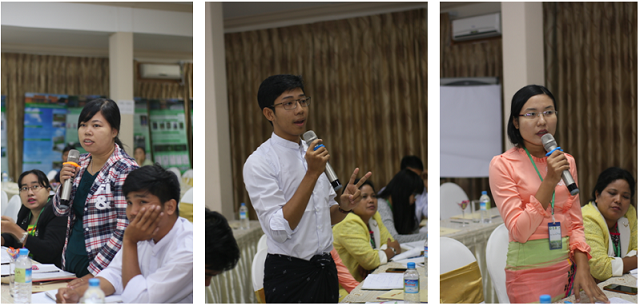
After completing the course, the trainees said that they had improved their skills and understanding of plant identification and would use the knowledge in forest management in Myanmar. They expressed their gratitude to the Southeast Asia Biodiversity Research Institute (SEABRI) of CAS for developing the training course.
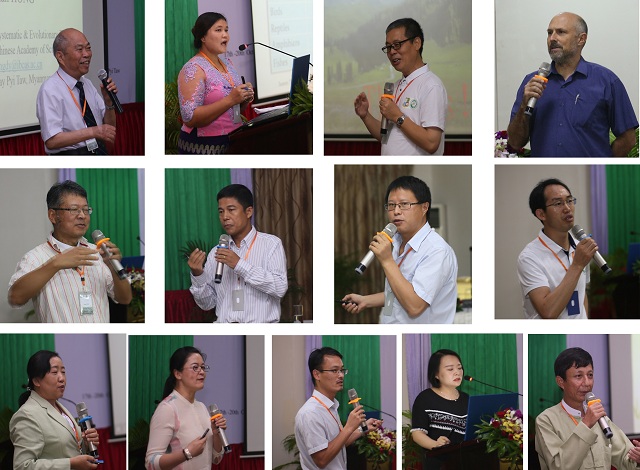
In the course, excellent plant taxonomists taught how to identify the major tropical plant species of Dipterocarpaceae, Sapindales, Rubiaceae, Legumes, Orchidaceae in the field. They also pointed out their identification principles and diagnostic field characteristics.
They introduced the International Code of Nomenclature for Algae, Fungi and Plants; vegetation types and floristic characteristics in northern Myanmar and Yunnan; history and status quo of flora studies in Myanmar; plant specimen preparation and herbarium management; conservation and management of forest genetic resources, etc.
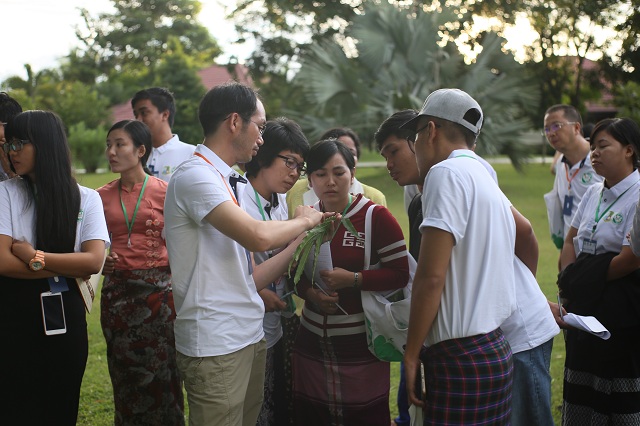
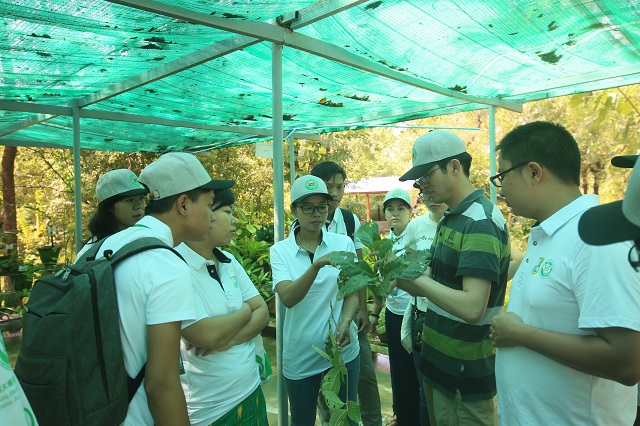
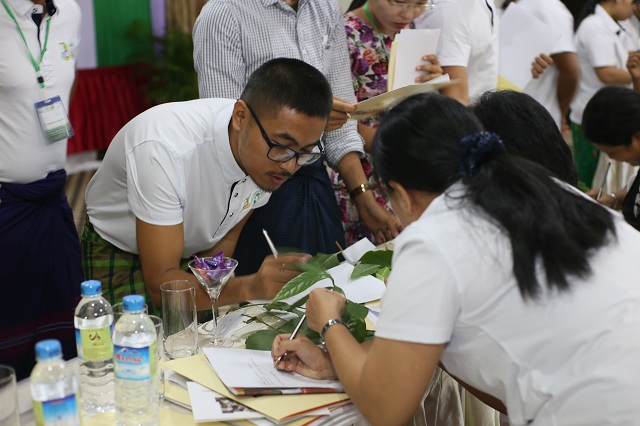
Under field guidance, the trainees tried to find diagnostic characteristics of plant species and identify them. They know better how to observe and accurately describe a plant, and take samples and/or photographs so that it can be positively identified later.
As Myanmar is rich in biological resources, it's urgent to compile the Flora of Myanmar. And a checklist of plants in Myanmar should be compiled first, and then joint and intensive efforts can be made to compile the Flora of Myanmar.
At the closing ceremony, Prof. CHEN Jin congratulated the trainees and encouraged them to cooperate and contribute to the conservation of regional biodiversity. He also encouraged them to pursue master's and doctoral degrees in XTBG and other CAS institutes.